TMS Therapy for Treatment-Resistant Depression in NJ
TMS vs Medication: When Is TMS the Next Step?
Research indicates that around 50% to 60% of individuals with treatment-resistant depression may find a clinically meaningful response to BrainsWay Deep TMS treatment, with 50% achieving remission. Clinical outcomes show even more promise, boasting an 81% response rate and a 65% remission rate. Furthermore, TMS for depression is an excellent choice for those who experience side effects commonly associated with prescription medications, as it is a noninvasive therapy with fewer risks.
Why Choose iChange Wellness Center?
- Specializing in treatment-resistant depression
- Advanced TMS protocols, including BrainsWay Deep TMS (H1, H7, and accelerated options)
- Personalized care through the iChange Method™
- Convenient locations in Hackensack and West New York
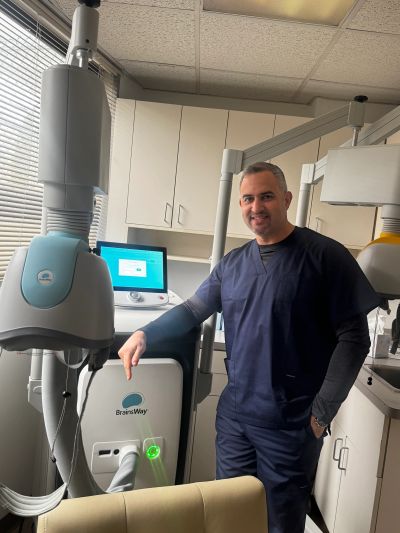
Why Choose Dr. Yissell Delvalle for Deep TMS?

Yissell Delvalle, MD, FASAM Board-Certified Psychiatrist | Board-Certified Addiction Medicine Physician
Deep TMS, specifically BrainsWay Deep TMS, is not just a procedure; it is an integral part of a comprehensive depression treatment plan that necessitates expert psychiatric evaluation, diagnosis, and ongoing clinical oversight.
Dr. Yissell Delvalle is a Board-Certified Psychiatrist and a Board-Certified Addiction Medicine Physician with extensive expertise in treating depression, anxiety, OCD, trauma-related disorders, and treatment-resistant mental health conditions. Unlike many treatment centers, where access to a physician may be limited, every patient at iChange Wellness Center benefits from personalized evaluation and physician-directed care.
Dr. Delvalle employs advanced interventional psychiatry alongside evidence-based treatment methods, including the innovative BrainsWay Deep TMS, Spravato® (esketamine), medication management, and comprehensive psychiatric care. This approach allows patients to receive a customized treatment plan tailored to their unique needs and treatment history.
Patients from Hackensack, Bergen County, and Northern New Jersey choose iChange Wellness Center for expert care, including noninvasive therapy options and a commitment to helping individuals achieve lasting improvements in mood, function, and quality of life.

Not sure if TMS is right for you?
FDA approved indications for BrainsWay Deep TMS include: Major Depressive Disorder (MDD), Obsessive-Compulsive Disorder (OCD), Anxiety Symptoms Related to Depression, and Smoking Addiction (FDA-cleared indication). This noninvasive therapy is FDA-cleared for depression treatment and is currently being studied for additional mental health conditions.

